Torch Electronics Halts Operations in Missouri After Joint Probe Targets Illegal Gambling Machines

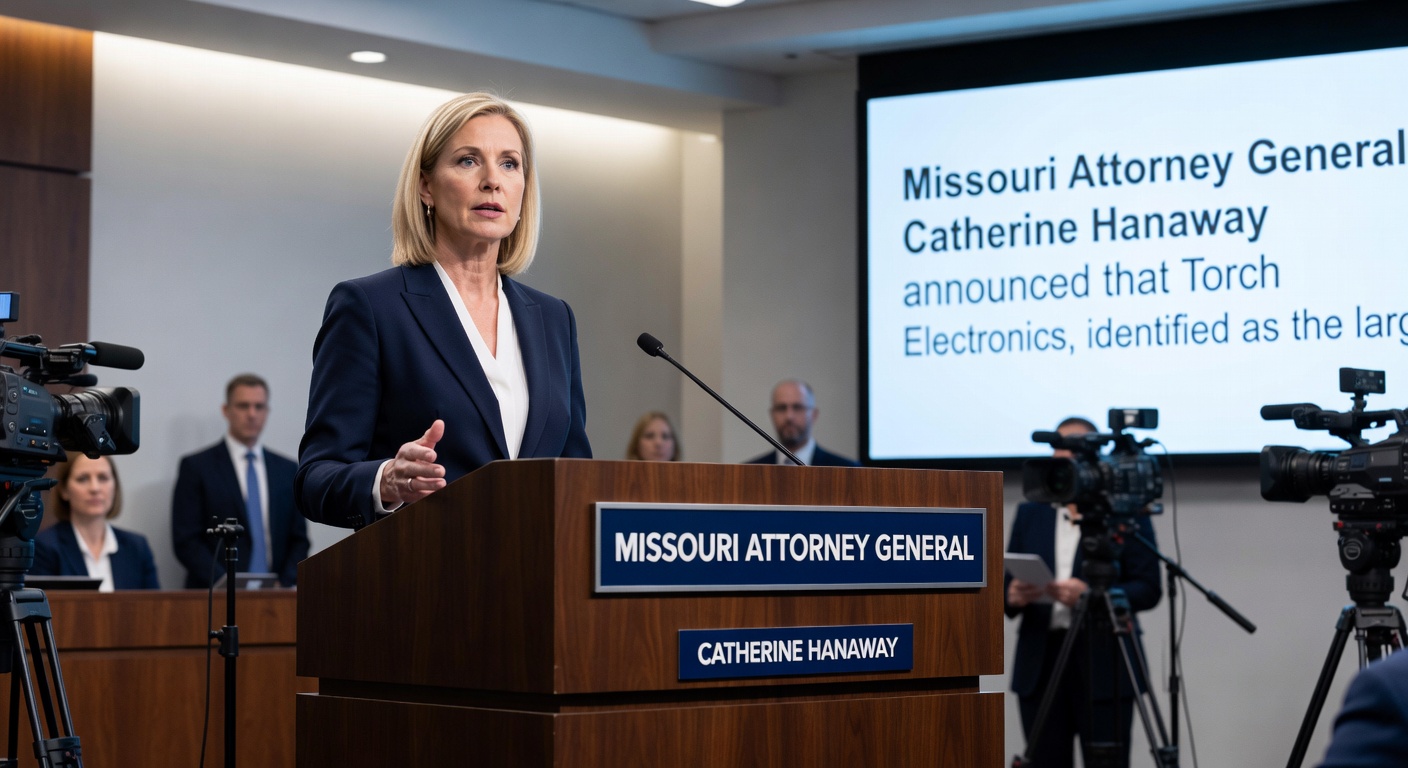
Missouri Attorney General Catherine Hanaway revealed that Torch Electronics, recognized as the state's largest provider of illegal gambling devices, reached an agreement to suspend all operations effective April 10, 2026, thereby sidestepping potential prosecution under state laws that ban unregulated gambling machines; this move caps a coordinated criminal investigation led by the U.S. Attorney’s Office for the Eastern District of Missouri, the U.S. Attorney’s Office for the Western District of Missouri, and the Missouri Attorney General’s Office, zeroing in on gaming devices scattered across bars, convenience stores, and various other venues throughout Missouri.
The Key Announcement and Its Immediate Context
Hanaway's office made the disclosure public through official channels, underscoring how Torch Electronics committed to a full operational shutdown in Missouri to steer clear of legal charges; observers note that these devices, often styled as video gaming terminals or skill-based machines, operated in a legal gray area, drawing scrutiny because they dispensed cash prizes without falling under licensed casino oversight. And while the suspension kicks in next April, companies involved typically begin winding down placements and collections right away, ensuring no loose ends linger past the deadline.
What's interesting here surfaces in the scale: Torch Electronics held dominance as Missouri's top operator, with machines placed statewide in hundreds of locations, generating revenue streams that regulators long eyed as skirting constitutional limits on gambling; data from enforcement actions reveals such operations raked in millions annually, fueling debates over unregulated gaming's footprint in everyday spots like gas stations and taverns.
Unpacking the Joint Federal-State Investigation
The probe united federal prosecutors from both Missouri districts alongside state authorities, pooling resources to trace device distributions, financial flows, and operator networks; investigators targeted not just Torch but the broader ecosystem of placements, where bars and stores hosted machines promising payouts based on chance-heavy games like poker or slots disguised as skill tests. Turns out, federal involvement escalated matters, since interstate commerce and wire fraud angles often tag along with these cases, prompting U.S. Attorneys to step in where state lines blur operations.
Experts who've tracked similar crackdowns point out that such collaborations mark a shift, especially as Missouri lawmakers tighten reins on what counts as lawful gaming; the Missouri Gaming Commission, which oversees licensed riverboat casinos and lotteries, consistently flags unlicensed devices as violations, citing statutes like Chapter 313 of the Revised Statutes of Missouri that confine gambling to authorized venues. And here's where it gets interesting: past probes, including those dismantling smaller networks, paved the way for this Torch takedown, showing authorities building cases methodically over months or years.
- Federal Eastern District focuses on St. Louis-area placements;
- Western District covers Kansas City hubs and rural routes;
- Missouri AG coordinates statewide enforcement, linking local seizures to bigger patterns.
What Exactly Are These Illegal Gambling Devices?
Commonly called "gray machines" or "pot-of-gold" terminals, these electronic setups mimic casino games while claiming skill elements to dodge bans; players insert cash, play video poker or keno-style rounds, and collect winnings from attendant payouts or printed tickets redeemable nearby, all without the oversight of licensed operators. Studies from gaming research groups, such as those compiled by the Missouri Gaming Commission, indicate these proliferated unchecked for years, landing in over 1,000 non-casino sites by recent counts, far outpacing regulated alternatives.
But the reality is, Missouri voters approved limited gambling decades ago—riverboats in 1993, lotteries earlier—yet left video terminals in limbo, leading operators like Torch to exploit loopholes until courts and regulators closed in; one case from nearby Illinois, where similar devices faced shutdowns, offers a parallel, as the Ontario iGaming regulators documented comparable evasion tactics across borders, highlighting how these machines blend chance with minimal skill to test legal boundaries.
Take one observer who's followed the beat: researchers at gaming policy centers discovered that Torch machines alone accounted for the lion's share of placements, with operators servicing routes weekly to service jackpots and swaps; that's where the rubber meets the road, since daily cash handling without audits invited laundering concerns, pulling in federal eyes early.
Missouri's Legal Landscape on Unregulated Gaming
State law carves out gambling narrowly: licensed casinos along the Missouri River handle slots and tables, while charitable games and lotteries fill other slots, leaving no room for freestanding video devices; violations trigger misdemeanor or felony charges depending on scale, with the AG's office wielding civil forfeiture powers to seize machines and proceeds. Figures from annual reports show enforcement ramped up post-2020, coinciding with pandemic-era booms in convenience store gaming; Torch's agreement dodges criminal trials but mandates full exit, including device removals and no re-entry under new guises.
So, while the suspension date looms in April 2026, affected venues already scramble, yanking machines to comply; people who've run bars in these spots often find revenue dips short-term, yet data from states like Nebraska—where similar bans hit—reveals adaptation through legal alternatives, although Missouri lacks statewide video lottery for now. It's noteworthy that this deal sets precedent, signaling to smaller operators the writing's on the wall for gray-area plays.
Now, broader context emerges from federal statutes like the Illegal Gambling Business Act (18 U.S.C. § 1955), which the U.S. Attorneys invoked implicitly, requiring multi-person operations tied to interstate elements; those who've studied enforcement patterns note Missouri's case aligns with national trends, from Pennsylvania raids to California sweeps, where joint task forces dismantle networks methodically.
Scale of Torch Electronics and Operational Reach
As Missouri's biggest player, Torch blanketed the state with thousands of units, partnering with location owners via revenue shares—typically 50/50 splits on plays—turning quiet corners into mini-casinos; reports peg their network at over 5,000 machines pre-crackdown, dwarfing rivals and drawing outsized attention. And although exact figures stay under wraps pending full disclosures, the agreement's scope implies comprehensive surrender, from hardware forfeits to financial audits ensuring clean breaks.
Locations spanned urban dives to rural truck stops, with St. Louis and Kansas City hotspots alongside Springfield routes; one study from industry trackers revealed peak hauls exceeding $100 million yearly statewide for all illicit devices, underscoring why feds joined the fray. Yet, suspension terms likely include non-compete clauses, barring Torch principals from gaming ventures in Missouri, a standard in such pacts.
Effects on Businesses, Players, and Regulators
Bar and store owners face immediate vacuums, losing easy income streams that supplemented slim margins; players, hooked on quick plays, shift to apps or drives to Kansas casinos, where regulated options abound. Regulators celebrate wins like this, bolstering licensed revenue—Missouri casinos pulled $1.8 billion in adjusted gross receipts last year alone—while deterring copycats.
But here's the thing: gaps persist, as underground machines pop up sporadically until tech tracking advances; experts observe that post-shutdown monitoring ramps up, with hotlines for tips and audits ensuring compliance. It's not rocket science—clear rules and swift action reshape the field, much like Ohio's 2023 purge of 10,000+ devices.
Conclusion
Torch Electronics' pledge to shutter Missouri operations by April 10, 2026, crowns a pivotal enforcement push, blending state resolve with federal muscle to uproot the state's largest illegal gambling network; as devices vanish from shelves and screens go dark, the episode reinforces Missouri's commitment to channeled gaming, leaving licensed paths as the sole sanctioned route forward. Observers anticipate ripple effects, from venue adjustments to potential legislative tweaks on video gaming, but for now, the focus stays on execution, ensuring the agreement sticks without backslides.