21 Aug 2026
Examining Virtual Reality's Role in Reshaping Blackjack Engagement Across Global Player Groups
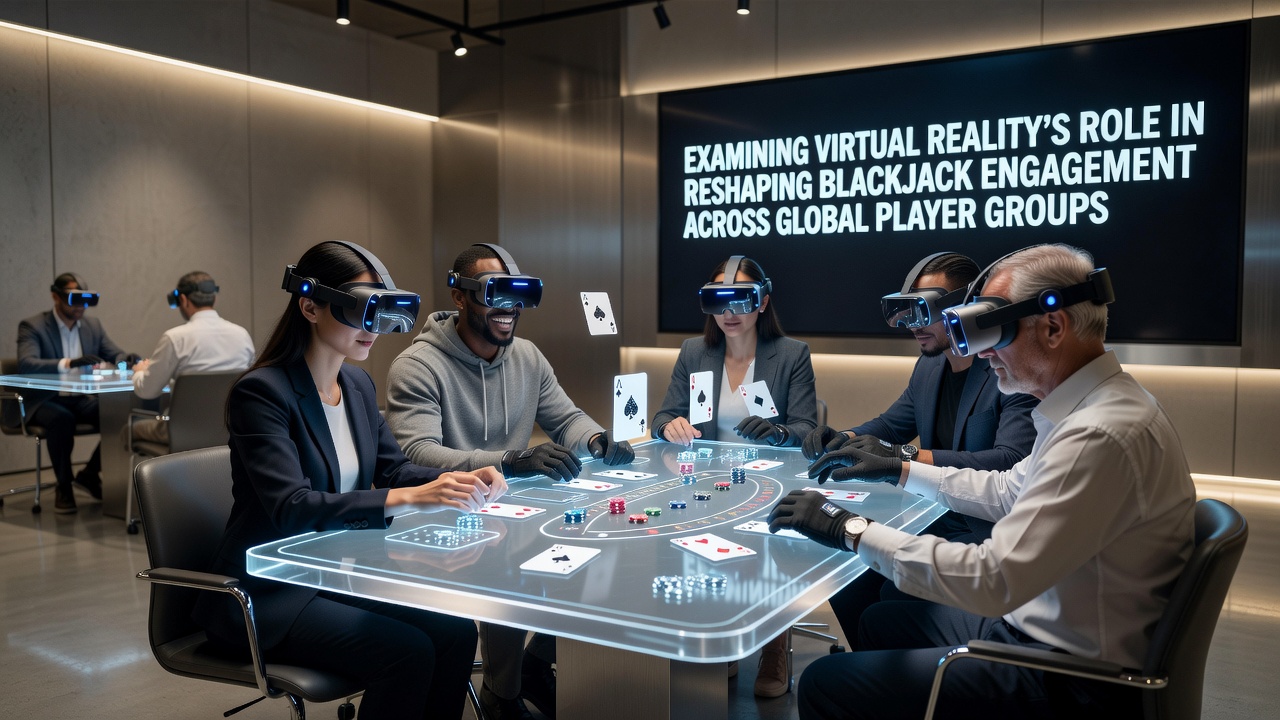
Virtual reality platforms have integrated into blackjack offerings at select online and land-based operators since the mid-2020s, creating simulated environments that replicate physical casino tables while allowing remote participation from varied locations around the world. Data collected through 2026 indicates steady growth in user sessions across North America, Europe, and parts of Asia, with operators reporting increased average session durations compared to traditional digital interfaces. Those who've tracked adoption patterns note that VR blackjack appeals particularly to participants who seek visual and spatial immersion rather than standard screen-based play.
Regional Patterns in VR Blackjack Uptake
Markets in the United States and Canada have seen licensed operators introduce VR-compatible blackjack tables through partnerships with headset manufacturers, and figures from the Nevada Gaming Control Board show incremental revenue contributions from these formats by mid-2026. In contrast, operators in Macau and Singapore have focused on hybrid models that combine VR elements with existing electronic table games, reflecting local preferences for social features alongside individual play. Australian regulatory filings reveal that several venues began testing VR blackjack modules in 2025, with participation rates tracked among domestic and international visitors alike.
European jurisdictions maintain differing licensing frameworks that influence how quickly VR blackjack expands, yet overall session data collected by industry associations points to consistent interest from players in the United Kingdom, Germany, and the Netherlands. Observers note that cross-border access remains shaped by national rules on remote gambling technology, which affects the speed at which new VR titles reach each market.
Demographic Shifts Among Participant Groups
Younger adults between 21 and 35 represent the largest share of early VR blackjack adopters according to aggregated operator analytics released in August 2026, while participants over 50 show slower but measurable uptake when platforms include simplified navigation tools. Research from academic sources indicates that players in urban centers with higher broadband penetration adopt VR formats at higher rates than those in rural areas, regardless of region.
Gender distribution in VR blackjack sessions mirrors patterns observed in conventional online blackjack, with male participants forming the majority yet female engagement rising in environments that emphasize customizable avatars and private table options. Studies conducted across multiple countries reveal that social connectivity features, such as voice chat with other headset users, correlate with longer retention times for both groups.

Technical Elements Driving Engagement Metrics
VR blackjack environments incorporate 360-degree table views, gesture-based card handling, and real-time dealer interactions rendered through motion tracking, all of which contribute to reported increases in time spent per session. Platform providers have documented that features allowing players to switch between multiple virtual tables or observe ongoing games without joining them add flexibility that standard RNG interfaces lack. Hardware improvements in headset weight and field of view have reduced reported fatigue during extended play periods, according to user feedback aggregated by manufacturers.
Integration with existing loyalty programs enables VR participants to earn the same comps and tier points as those at physical tables, creating continuity across formats. Data from several major operators shows that cross-platform progression systems encourage some players to alternate between VR and traditional digital or live options within the same account.
Regulatory and Access Considerations
Licensing bodies in multiple jurisdictions require VR blackjack systems to meet the same randomness and fairness standards applied to conventional electronic games, which has led developers to submit headsets and software for independent testing before deployment. In Canada, provincial regulators have outlined specific guidelines for immersive gambling products, while Australian state authorities continue to evaluate consumer protection measures tailored to virtual environments. These frameworks determine the pace at which new titles become available and influence how operators market VR blackjack to different player segments.
Geographic restrictions on VR content remain in place in certain markets, limiting access for players outside approved regions even when they possess compatible hardware. Industry reports highlight that age verification and responsible gaming tools must function seamlessly within the immersive interface to comply with existing legislation.
Conclusion
Virtual reality continues to expand the range of blackjack formats available to global participants, with adoption patterns varying by region, age group, and regulatory environment as of August 2026. Continued hardware refinements and evolving licensing approaches will shape further developments in how players engage with the game across digital and physical settings.