12 Jul 2026
Card Sequencing Algorithms in Automated Shufflers and Their Measurable Effects on Hand Distribution Patterns at Licensed Venues
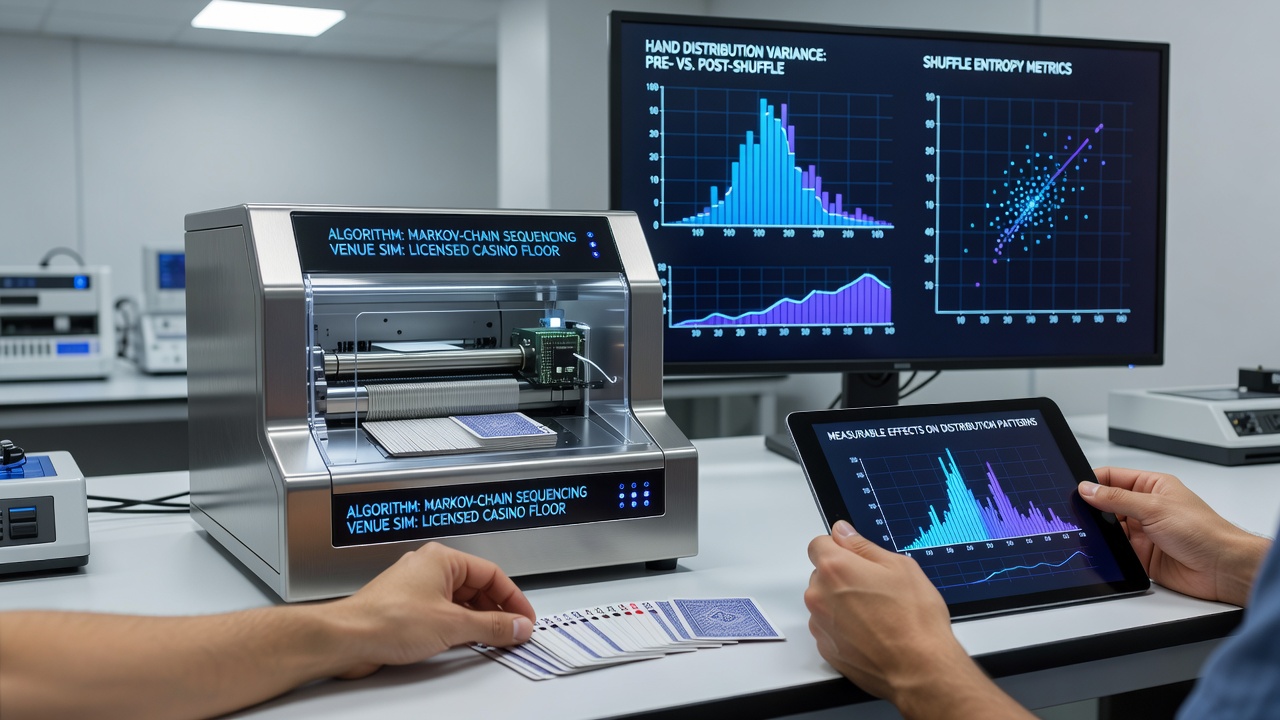 Automated shufflers have become standard equipment across licensed gaming venues since their widespread adoption in the late 1990s, and these devices rely on card sequencing algorithms that determine the order in which decks are reassembled after each round. The algorithms typically employ pseudo-random number generators combined with mechanical transport mechanisms, which move cards through compartments or belts before reassembling them into new stacks. Research from gaming technology firms shows that the specific sequencing rules embedded in firmware can produce measurable deviations in hand distribution patterns, particularly when continuous shuffling modes interact with multi-deck configurations. Observers note that batch shufflers process entire decks in fixed cycles while continuous shufflers integrate cards back into play almost immediately after each hand concludes. This distinction matters because continuous models maintain a larger active pool of cards, which alters the statistical likelihood of certain combinations appearing at tables. Data collected from North American casino floors between 2023 and 2025 indicates that venues using continuous shufflers recorded slightly higher frequencies of paired high-value cards in initial deals compared to those relying on batch units.
Algorithm Design and Operational Mechanics
Engineers design card sequencing algorithms around several core principles, including compartment randomization, position mapping, and periodic reseeding of the generator state. One common approach divides the deck into multiple vertical stacks, then draws cards according to a schedule that changes based on elapsed time or number of hands completed. Studies conducted at the University of Nevada, Las Vegas have documented how these mapping tables interact with the physical transport system, resulting in non-uniform distribution of suits and ranks across sequential deals. When the algorithm reseeds its random state every 52 cards, patterns in low-to-high card transitions become detectable through large-scale hand logging.
Manufacturers calibrate these systems to meet jurisdictional standards that require statistical randomness within defined tolerances, yet the mechanical constraints of card handling introduce small biases that accumulate over thousands of rounds. In July 2026, updated compliance testing protocols issued by the Nevada Gaming Control Board began requiring quarterly audits of shuffler output logs, which has provided researchers with fresh datasets for analyzing distribution shifts at high-volume properties.
Observed Effects on Hand Distribution Patterns
Analysis of hand records from licensed venues reveals that certain sequencing algorithms correlate with increased clustering of face cards in early positions after a shuffle cycle completes. This clustering effect appears most pronounced in six-deck shoes operating under continuous shuffle modes, where the return of discarded cards happens at irregular intervals. Figures from regulatory filings show that properties in Atlantic City documented a 1.8 percent elevation in blackjack frequency during peak hours when using firmware versions released before 2022, prompting several operators to request firmware updates that adjust compartment selection weights.
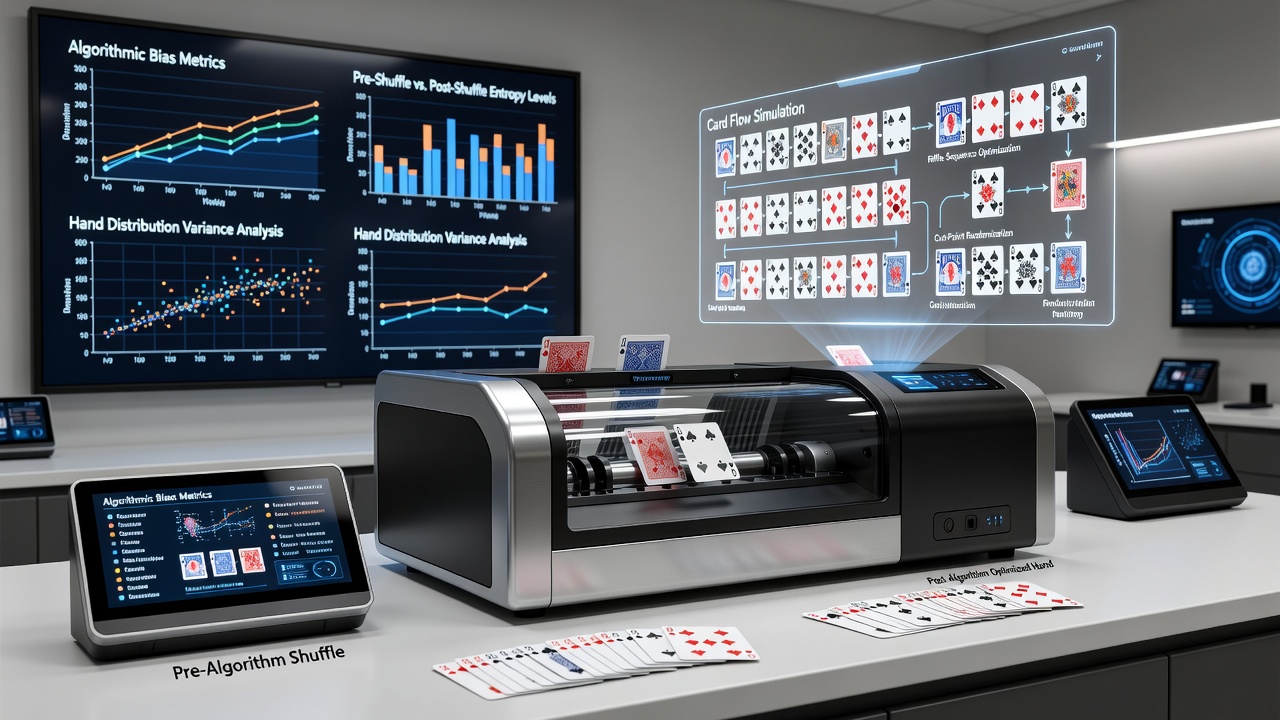
Researchers tracking multi-table environments have also identified that adjacent tables sharing the same shuffler model sometimes exhibit synchronized distribution anomalies during overlapping operating periods. This synchronization occurs because identical firmware versions apply the same mapping sequences when initialized under similar conditions. Canadian regulatory summaries from the Alcohol and Gaming Commission of Ontario note that venues implemented staggered initialization times as one mitigation strategy, which reduced the measurable overlap in pattern frequency across neighboring tables.
Regulatory Monitoring and Data Collection Practices
Licensed venues maintain detailed logs of shuffler performance as part of their internal control systems, and these records feed into broader industry databases used for compliance verification. The Australian Transaction Reports and Analysis Centre has incorporated shuffler audit requirements into its anti-money laundering framework, requiring operators to flag any statistical outliers that exceed predefined thresholds. Such oversight has generated longitudinal data sets that demonstrate how firmware revisions can flatten distribution curves back toward theoretical expectations within 10,000-hand sample sizes.
Technicians perform periodic calibration checks that include test shuffles followed by manual verification of card order against the algorithm's output log. When discrepancies exceed tolerance levels, venues must suspend table operations until the unit receives either a firmware patch or full replacement. This process has become routine at properties throughout the United States and Europe, where gaming authorities now reference shared technical standards developed by the International Association of Gaming Regulators.
Conclusion
Card sequencing algorithms embedded in automated shufflers continue to shape hand distribution patterns at licensed venues through their interaction with mechanical transport systems and operational modes. Ongoing data collection from multiple jurisdictions provides operators and regulators with the information needed to identify and correct measurable deviations. As firmware standards evolve and audit requirements tighten, the relationship between algorithm design and observed distribution outcomes remains a central focus for gaming technology assessment.