7 Jun 2026
Blackjack's Role in Training Algorithms for Automated Surveillance Detection Across Integrated Resort Networks
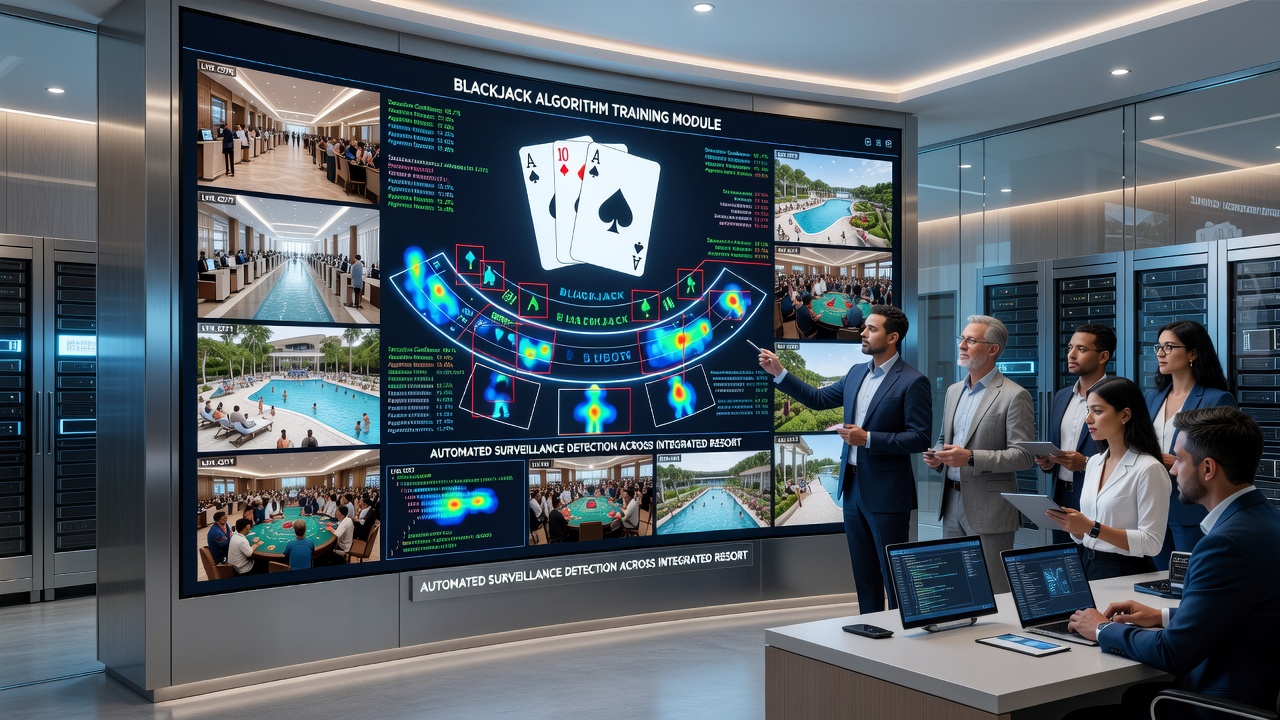
 Integrated resort networks combine hotels, entertainment venues, retail spaces, and multiple casino floors into single operational ecosystems, and blackjack tables generate consistent streams of player behavior data that feed into surveillance algorithms. Researchers have documented how card dealing sequences, betting patterns, and hand decisions create structured datasets suitable for machine learning models designed to flag irregular activity across these connected properties. Data from large-scale implementations shows that blackjack contributes measurable inputs because each round produces discrete events like wager amounts, card reveals, and player reactions that algorithms can parse for deviations from expected norms. Operators in major markets have applied these datasets to train systems that monitor thousands of cameras simultaneously, and the process begins with labeled examples from blackjack pits where known incidents of advantage play or collusion have occurred. According to reports from the Nevada Gaming Control Board, such training protocols allow models to distinguish between standard play variations and coordinated efforts that might span multiple tables or even different resort locations within teh same network. The models learn to track metrics including bet spread ratios, dwell times at tables, and interactions between players that exceed random thresholds established during initial calibration phases.
Data Patterns Derived from Blackjack Play
Blackjack rounds supply temporal sequences that align well with recurrent neural network architectures commonly used in video analytics, since each hand follows a predictable flow from initial wager through resolution. Observers note that these sequences include variables such as chip handling gestures and eye movements toward dealer actions, elements that extend beyond simple card outcomes and help refine anomaly detection across integrated environments. Studies conducted at institutions like the University of Nevada, Las Vegas have examined how these granular actions contribute to broader pattern recognition when aggregated over weeks or months of table operation. In June 2026, several resort groups expanded their use of blackjack-derived training sets after observing improved detection rates for subtle coordination signals between adjacent gaming areas. The expansion coincided with upgrades to centralized monitoring hubs that link properties in Las Vegas, Atlantic City, and select international locations, allowing algorithms to cross-reference activity in real time. Figures from industry associations indicate that blackjack sessions account for a disproportionate share of labeled training events compared with other table games because of their rapid pace and high volume of decisions per hour.Network Integration and Cross-Property Detection
Integrated resort networks rely on unified data platforms that pool surveillance feeds from disparate locations, and blackjack training data supports the development of models capable of identifying behaviors that migrate between properties. Technicians configure these systems to recognize signatures such as repeated high-limit play followed by abrupt session termination, patterns first calibrated using blackjack logs before deployment on other game types. External links to academic repositories reveal peer-reviewed work on transfer learning techniques that apply blackjack-trained features to slot machine areas or sports betting zones within the same resort complex. But here's the thing: the effectiveness depends on maintaining diverse datasets that reflect jurisdictional differences in game rules and player demographics, since models trained solely on one region's blackjack variants show reduced accuracy when applied elsewhere. Regulatory bodies including Singapore's Casino Regulatory Authority have published guidelines encouraging operators to validate algorithm performance against local play statistics before full rollout. This validation step incorporates additional blackjack rounds recorded during peak and off-peak periods to ensure robustness across varying occupancy levels.