19 May 2026
Blackjack's Regulatory Maze: How Licensing Variations Across Jurisdictions Shape Game Availability and Player Access Patterns
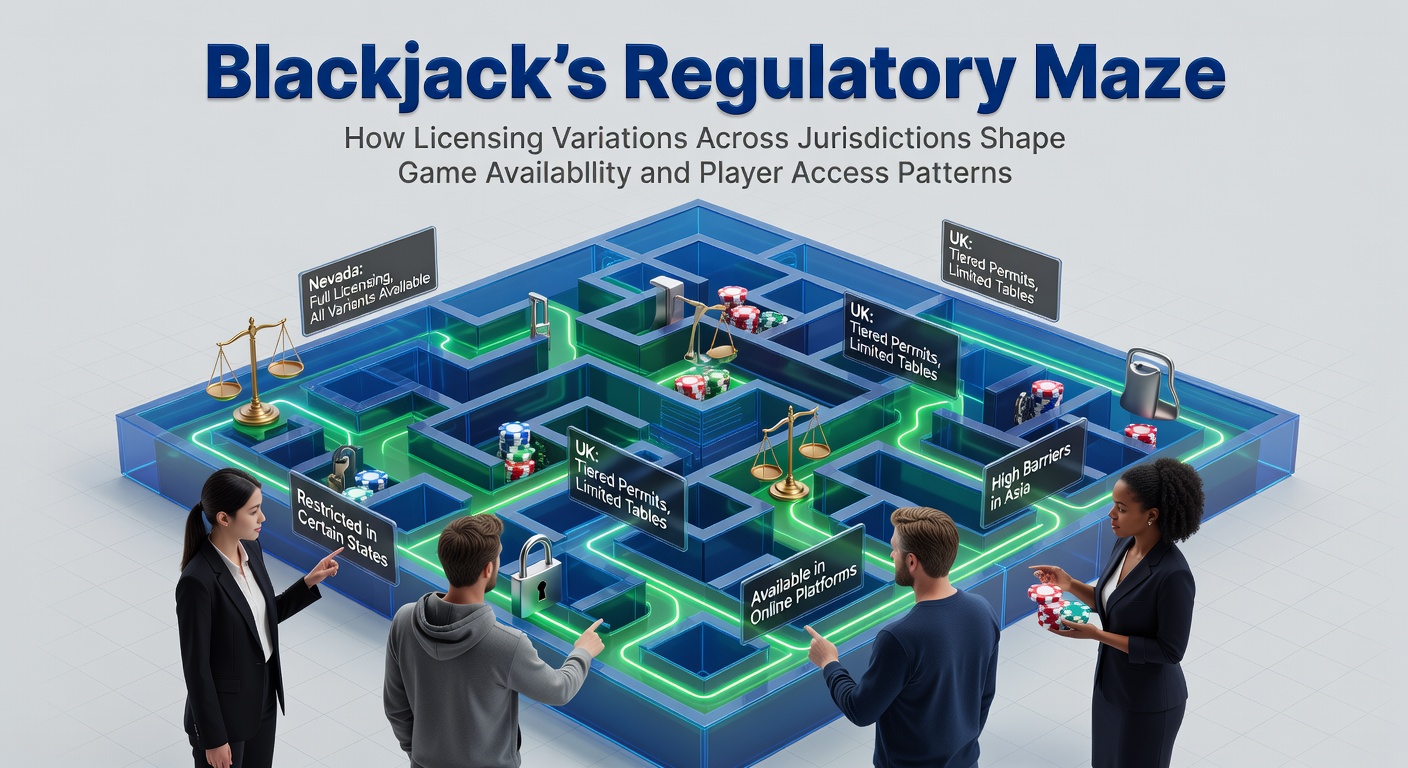
Licensing requirements for blackjack vary sharply from one jurisdiction to another, and those differences directly determine which versions of the game operators can offer along with how easily players reach them. State and national authorities set distinct standards for game approval, software certification, and operator background checks, so a variant approved in one place often stays unavailable elsewhere until fresh reviews clear it.
Research from industry analysts shows that land-based casinos in tightly controlled markets tend to stick with core blackjack rules while online platforms in more permissive regions introduce rapid changes like side bets or modified payout tables once regulators sign off. Players notice these gaps when they travel or switch platforms, since access hinges on where their device registers and which license the site holds.
United States: State-by-State Fragmentation
Within the United States each state writes its own rules, and that patchwork produces clear patterns in blackjack availability. Nevada and New Jersey maintain long-standing licensing boards that require extensive testing of random number generators and payout percentages before any game goes live, whereas states such as Michigan and Pennsylvania added online options later and therefore adopted slightly different certification timelines. Data from the American Gaming Association indicates that states with earlier legalization dates report higher numbers of approved blackjack variants because operators have had more cycles to iterate on rule tweaks.
Those who've studied access logs find that players in states without online legalization often route through licensed platforms in neighboring jurisdictions when travel is possible, creating measurable spikes in cross-border play during weekends and holidays. By May 2026 several additional states were still weighing legislation, and observers note that any new approvals would likely expand the pool of available games while tightening geo-location checks to keep traffic inside approved borders.
European and Asian Markets: Centralized Versus Fragmented Models
European countries operate under either national monopolies or multi-operator licensing systems, and the choice shapes which blackjack products reach local screens. Malta and Gibraltar issue remote gaming licenses that allow wide distribution across the continent provided each member state receives separate compliance filings, yet countries such as France and the Netherlands run stricter local approval processes that can delay new rule sets by months. Figures from the European Gaming and Betting Association reveal that jurisdictions with centralized licensing post faster rollout times for progressive jackpot blackjack compared with those that demand repeated audits.
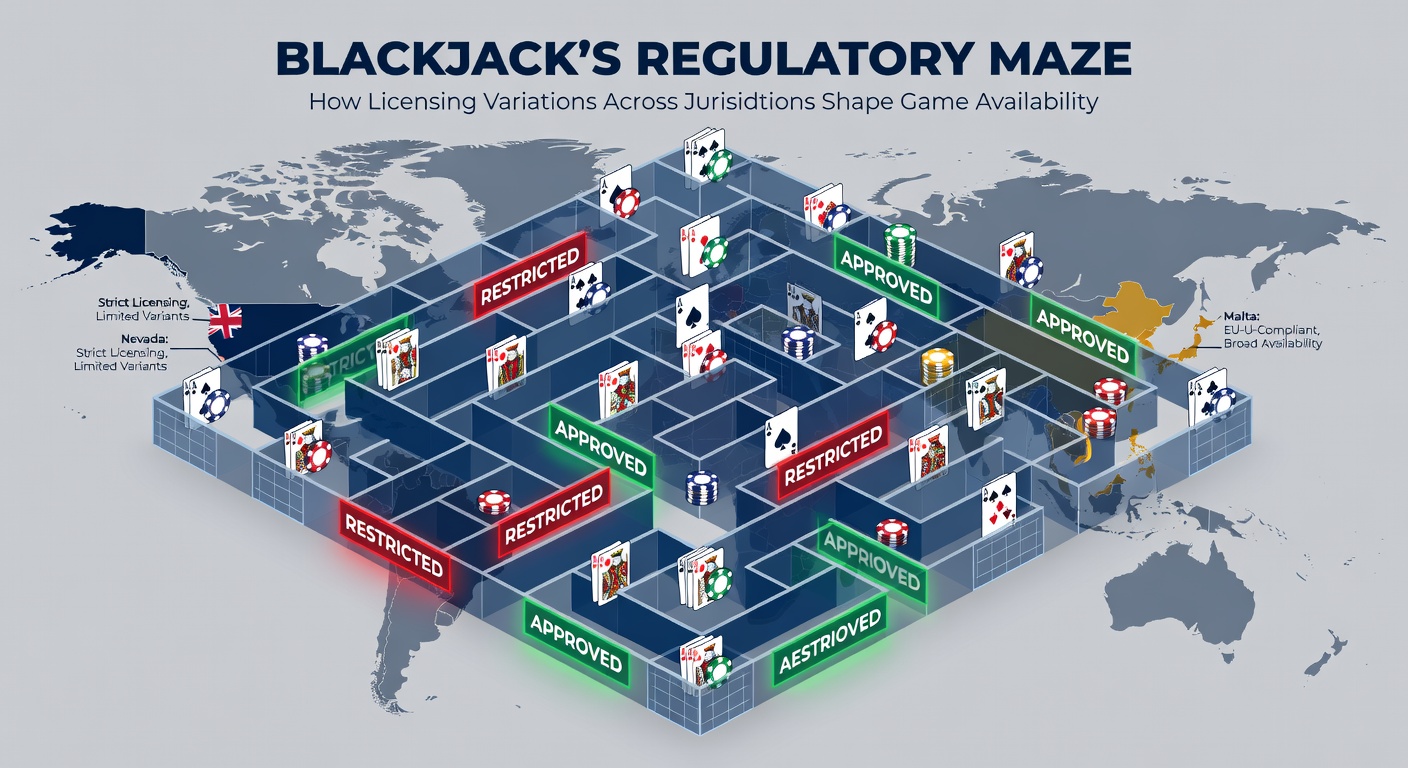
Across Asia the picture shifts again. Macau maintains concession-based licenses that emphasize table-game volume and revenue sharing with the government, so blackjack spreads widely in physical casinos while online play remains restricted to approved domains. Singapore applies similar physical-focus rules, and regulators there require operators to demonstrate responsible-gaming controls before expanding digital blackjack offerings. Studies compiled by regional research firms show that these concentrated markets generate steadier player traffic at land-based properties because online alternatives face longer approval queues.
Online Access Patterns and Geo-Blocking Realities
Player movement between jurisdictions follows predictable routes once licensing differences are mapped. People in regions with fewer licensed operators frequently encounter geo-blocks that redirect them to international sites holding licenses from places like the Isle of Man or Curacao, where approval cycles run quicker. Transaction data collected by payment processors indicates that deposits from restricted locations peak when major sporting events coincide with new game launches elsewhere, suggesting players actively seek out jurisdictions whose rules permit fresh blackjack options.
Those monitoring compliance reports note that operators holding multiple licenses often segment their game libraries by player location, offering the full catalog only inside the most permissive zones. This segmentation produces distinct access patterns: users in highly regulated areas see fewer variants and stricter deposit limits, while players in lighter-touch markets encounter rapid updates to deck penetration and side-bet menus. In May 2026 industry trackers reported continued growth in multi-license portfolios as operators sought to smooth these differences for their global customer base.
Future Shifts in Licensing Alignment
Discussions among regulators about mutual recognition of testing certificates have surfaced in recent years, yet concrete agreements remain limited. When two jurisdictions accept each other's software certifications the time between approval and launch shrinks, allowing more blackjack iterations to reach players sooner. Evidence from bilateral pilot programs suggests that such alignment could reduce duplicate audits without lowering consumer protections, though full adoption would still require legislative changes in each participating territory.
Meanwhile, emerging markets in Latin America and Africa continue to draft their first comprehensive gaming statutes, and early drafts show heavy influence from established models in Europe and North America. Observers tracking bill progress expect that whichever frameworks these new jurisdictions choose will set the initial boundaries for blackjack availability and, by extension, the access routes players develop around those boundaries.
Conclusion
Licensing variations across jurisdictions create measurable differences in which blackjack games appear and how readily players reach them. State-level rules in the United States, national frameworks in Europe, and concession systems in Asia each impose distinct gatekeeping steps that operators must clear before games go live. These steps in turn shape the access patterns visible in traffic data and transaction records. As additional jurisdictions finalize their own regulations through 2026 and beyond, the map of available blackjack options will keep shifting in line with whichever licensing standards gain or lose ground.